
 Global
 EU
EU USA
USA PA
PA PAK
PAK MEA
MEA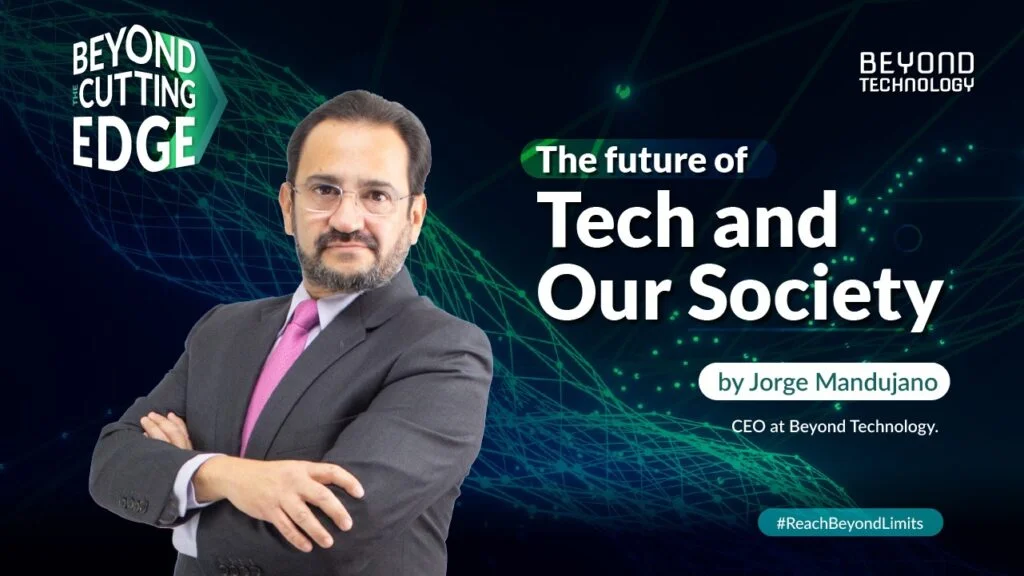
Technology has transformed every aspect of our lives in ways that were once unimaginable. With the rapid advancement of technology, we are witnessing a world that is increasingly interconnected, automated, and intelligent.
From artificial intelligence to the Internet of Things (IoT), technology is transforming our society at an unprecedented pace. In this blog post, we will explore the future of technology and its impact on our society.
One of the most significant trends in technology is the rise of artificial intelligence (AI). AI has the potential to revolutionize the way we live and work, and it is already transforming industries such as healthcare, finance, and manufacturing. With AI, machines can learn from data and improve their performance over time, enabling them to perform tasks that were once thought to be the exclusive domain of humans.
Another trend that is shaping the future of technology is the Internet of Things (IoT). The IoT refers to a network of connected devices that can communicate with each other and share data. This technology has the potential to transform everything from transportation to healthcare, enabling us to live in a more connected and efficient world.
As technology continues to evolve, we can expect to see new breakthroughs in areas such as quantum computing, robotics, and biotechnology. These technologies have the potential to transform our society in ways that we cannot yet imagine, from curing diseases to exploring new frontiers in space.
However, with all these advancements, there are also challenges that need to be addressed. One of the biggest challenges is the impact of automation on jobs. As machines become more intelligent and capable, many jobs that were once performed by humans will become automated, leading to significant job losses in some industries.
Another challenge is the ethical implications of technology. With the rise of AI, there are concerns about the potential for machines to make decisions that could harm humans. Additionally, there are concerns about privacy and security, as more and more of our personal data is collected and analyzed by machines.
In conclusion, the future of technology is both exciting and uncertain. While we can expect to see incredible breakthroughs in areas such as AI, IoT, and biotechnology, we must also be aware of the potential challenges that come with these advancements. By working together to address these challenges, we as Beyond Technology a company dedicated to transform business through technology, can ensure that will continues to improve our lives and make our world a better place.
Listen to our podcast, HERE, in this edition, our CEO, Jorge Mandujano, talks about how technology will impact our future as a society. Follow us and find out about new technology trends.


