 Global
 EU
EU USA
USA PA
PA PAK
PAK MEA
MEAModern device management can no longer operate as an isolated system. As organizations adopt hybrid work models and expand their digital ecosystems, the ability to orchestrate multiple platforms from a unified perspective becomes critical to maintaining productivity and operational control. In this context, unified endpoint management (UEM) platforms become a key connection point between users, devices, and business-critical applications.
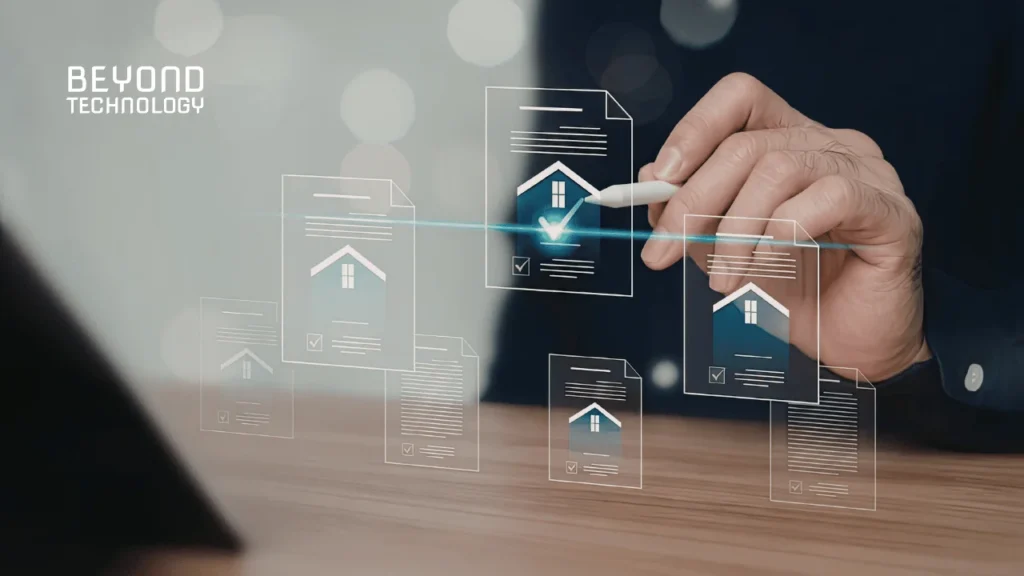
How unified endpoint management connects with enterprise identity and access platforms
One of the main drivers of efficiency is the synchronization between device management and corporate identity solutions. By integrating with access management systems, IT teams can enforce consistent policies based on user profiles, roles, and the level of risk associated with each device.
This enables automated onboarding, offboarding, and role changes without manual processes, reducing errors and accelerating employee onboarding. The user experience improves as access to resources becomes immediate and transparent, while the organization maintains granular security control.
Operational automation by linking device management with service and support tools
Integration with IT service management platforms transforms the way incidents and requests are handled. When endpoint information is shared in real time with support tools, teams can diagnose issues more accurately and resolve them without disrupting user operations.
This visibility also enables workflow automation, such as patch deployment or configuration remediation, reducing downtime and freeing IT resources for strategic initiatives.
Synergy between endpoint administration and advanced enterprise security solutions
Operational efficiency also depends on a coherent security posture. By working in an integrated manner with endpoint protection platforms, threat detection systems, and compliance tools, centralized management enables coordinated responses to risk. Policies adjust dynamically based on context, preventing unauthorized access and reducing the attack surface. This alignment between operations and security eliminates technology silos and simplifies the management of complex environments.
When these capabilities are implemented strategically, technology shifts from being a constraint to becoming a business accelerator. If you want to understand how to bring this approach into your organization and leverage it within your current ecosystem, Beyond Technology offers the opportunity to speak with an advisor to explore these solutions in depth and assess their real impact on productivity.


