
 Global
 EU
EU USA
USA PA
PA PAK
PAK MEA
MEAConnectivity has become a fundamental pillar for ensuring productivity and operational efficiency in businesses. However, as networks grow in complexity, traditional management is no longer sufficient. Mist AI, Juniper Networks’ artificial intelligence platform, is revolutionizing enterprise network management by optimizing performance, enhancing security, and delivering a superior user experience.
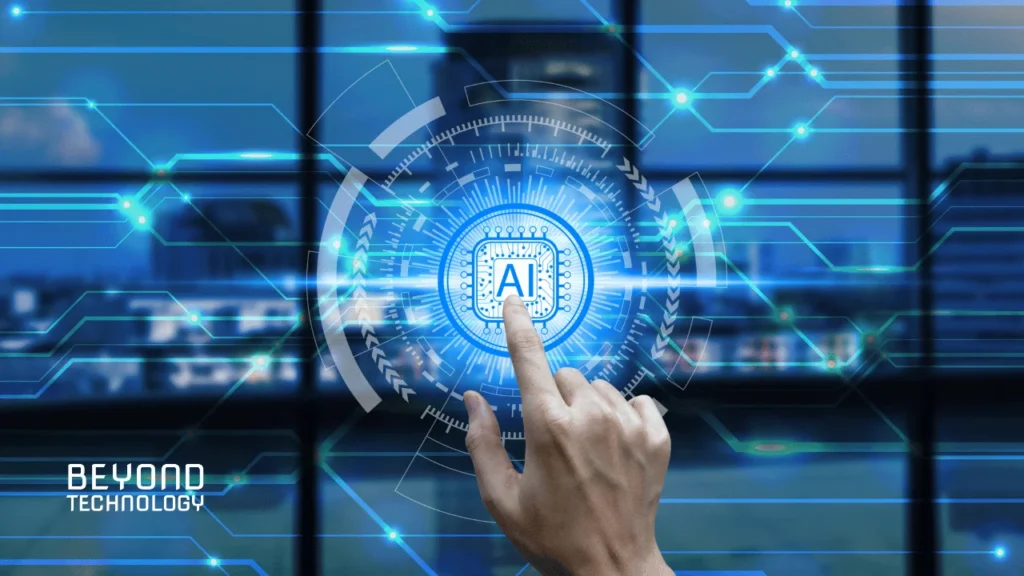
Optimizing connectivity with artificial intelligence in enterprise networks
User experience in corporate environments is directly linked to network stability and speed. Mist AI utilizes a real-time data-driven management system to identify and resolve connectivity issues before they impact employees or customers. With its machine learning engine, the network dynamically adjusts to environmental needs, ensuring efficient WiFi coverage and minimizing disruptions.
One of the greatest benefits of this technology is its ability to diagnose incidents without human intervention, significantly reducing IT response times. By analyzing usage patterns and network conditions, Mist AI enables businesses to optimize performance and provide a seamless, latency-free experience.
Security in intelligent networks: Protection against sophisticated attacks
As cyber threats evolve, enterprise network security must stay ahead. Mist AI integrates advanced threat detection and mitigation tools to safeguard infrastructure against sophisticated attacks. Its predictive analysis system identifies suspicious activity and blocks potential security breaches before they compromise company data.
Automatic network segmentation isolates unauthorized devices, reducing the risk of malicious access. Additionally, integration with cybersecurity platforms strengthens protective measures without affecting user experience, ensuring a secure and reliable digital environment.
Efficient management and automation to reduce operational costs
The use of artificial intelligence in enterprise network management not only enhances user experience but also optimizes IT resources. Mist AI enables companies to automate repetitive tasks, reduce the workload on technical staff, and minimize infrastructure downtime.
Through continuous network status analysis, the platform provides precise recommendations to improve operational efficiency. Its predictive and self-diagnostic capabilities not only enhance connectivity reliability but also help businesses reduce costs associated with maintenance and technical support.
If you’re looking to optimize your company’s network with artificial intelligence and strengthen security against emerging digital threats, Beyond Technology can help. As a Mist AI partner, we offer advanced solutions to enhance connectivity and protect your infrastructure. Speak with one of our advisors and discover how to take your enterprise network to the next level.


