 Global
 EU
EU USA
USA PA
PA PAK
PAK MEA
MEADigital transformation has changed the way organizations design, manage, and optimize their technology environments. The growing adoption of connected devices and the migration of workloads to virtualized environments have increased demands on IT infrastructure, forcing companies to rethink how they manage connectivity, security, and operational performance.
Today, network infrastructure is no longer responsible solely for enabling communication between users and applications. It must also support thousands of smart devices, hybrid environments, cloud services, and mission-critical applications that require continuous availability. In this context, the convergence of IoT and virtualization has become a key driver of operational efficiency and business competitiveness.
How the Growth of Connected Devices Is Transforming Corporate Connectivity
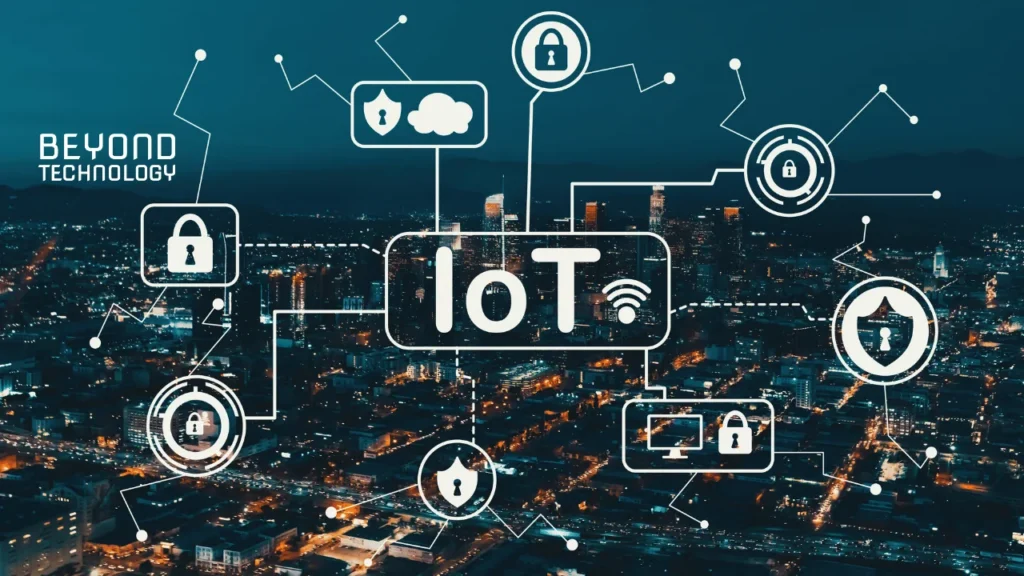
The adoption of IoT network infrastructure solutions is driving significant changes in enterprise architectures. Sensors, cameras, monitoring systems, industrial devices, and smart equipment generate massive amounts of data that must be transmitted, processed, and protected in real time.
As the number of connected devices continues to grow, organizations face new challenges related to network capacity, traffic segmentation, and asset visibility. Traditional infrastructures can quickly become bottlenecks when they were not designed to support this level of connectivity.
As a result, businesses are embracing more dynamic architectures that can efficiently manage multiple types of traffic. Automation, centralized management, and advanced monitoring capabilities are essential to ensure that networks can effectively support both current and future operational requirements.
Benefits of Flexible Architectures for High-Performance Virtualized Environments
Virtualization has transformed the way organizations deploy applications and manage technology resources. Server consolidation, virtual machine adoption, and the growth of software-defined data centers require far more adaptable connectivity than traditional physical networks were designed to provide.
The evolution of virtualization in enterprise networks has increased the need for infrastructures capable of scaling rapidly, efficiently distributing workloads, and delivering a consistent user experience. In these environments, traffic flows not only between users and applications but also among virtual machines, cloud platforms, and distributed systems.
Organizations that modernize their connectivity environments can respond more quickly to operational changes, reduce deployment times, and maximize the use of technology resources. This enables faster digital transformation initiatives without compromising the performance of business-critical applications.
Strategies to Strengthen Security and IT Modernization Efforts
The expansion of smart devices and virtualized environments also increases an organization’s attack surface. Every connected device represents a potential entry point for cyber threats, while the complexity of hybrid environments can make monitoring and information control more challenging.
For this reason, IT modernization strategies must incorporate security as a fundamental component of network design. Organizations require advanced authentication mechanisms, intelligent segmentation, continuous monitoring, and traffic analytics to detect anomalous behavior before it affects operations.
Modern architectures integrate technologies that enable centralized security policy enforcement, improved visibility across all connected assets, and automated incident response. This approach helps reduce operational risks while supporting compliance with increasingly stringent regulatory requirements.
The Role of Intelligent Networks in Business Evolution
The combination of connected devices, virtualized environments, and digital services will continue to drive significant change across organizations. To maintain business continuity and capitalize on innovation opportunities, companies need infrastructures capable of adapting quickly to evolving business demands.
Intelligent networks make it possible to efficiently manage technological growth, enhance user experiences, and simplify the integration of new applications and services. Their ability to automate processes, optimize resources, and strengthen security makes them a strategic component of any digital transformation initiative.
If your organization is looking to prepare its infrastructure for connected environments, virtualized workloads, and emerging security challenges, Beyond Technology can help you develop a strategy aligned with your business objectives. Speak with one of our advisors and discover how our connectivity, IT modernization, and digital transformation solutions can help accelerate your company’s growth.


