
 Global
 EU
 USA
 PA
 PAK
 MEA
Corporate sustainability is no longer limited to reducing paper consumption, optimizing transportation, or adopting renewable energy. Technology infrastructure also offers opportunities to reduce the environmental impact of business operations, particularly for organizations that rely on data centers, enterprise applications, and digital services to maintain business continuity.
Servers are a fundamental part of this infrastructure. Their electricity consumption, cooling requirements, and maintenance needs affect both operating costs and the carbon emissions associated with technology use. Choosing equipment designed to deliver greater energy efficiency can therefore help businesses move toward more efficient and environmentally responsible operations.
In this context, HPE enterprise servers offer options for modernizing IT infrastructure, optimizing technology resources, and aligning investment decisions with each organization’s sustainability goals.
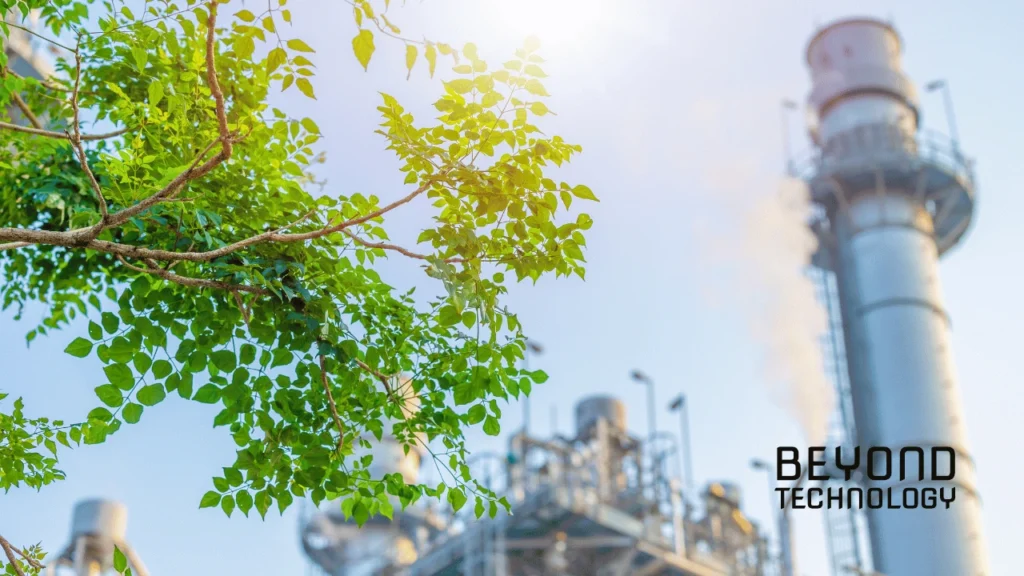
How to Reduce Data Center Energy Consumption in Enterprise IT Environments
Data centers account for a significant share of energy demand in businesses that process large volumes of information and rely on mission-critical applications and digital services. As computing requirements increase, efficiently managing the power consumed by equipment and cooling systems becomes increasingly important.
Oversized IT infrastructure, outdated servers, or inefficient workload distribution can lead to unnecessary electricity expenses. Maintaining equipment that no longer meets business requirements can also limit scalability and increase maintenance costs.
Server modernization allows organizations to evaluate new computing configurations, consolidate workloads, and make better use of available resources. This can reduce the number of devices required for certain operations and improve the relationship between computing performance and energy consumption.
HPE servers allow organizations to evaluate different enterprise infrastructure options according to their performance, capacity, and efficiency requirements. Selecting the right solution depends on factors such as application types, processing demands, storage requirements, and data center operating conditions.
Sustainable IT Infrastructure to Reduce Corporate Carbon Emissions
Reducing carbon emissions requires organizations to assess both the direct energy consumption of their facilities and the environmental impact associated with the electricity used by their technology systems. For businesses looking to strengthen their environmental policies, IT infrastructure can become an important component of their sustainability strategy.
The first step is understanding how much energy the current infrastructure consumes and how much is attributable to servers, storage systems, and cooling. This information helps identify optimization opportunities and establish measurable targets for reducing electricity consumption and associated emissions.
Technology upgrades can also support these objectives when they allow organizations to run the same workloads with fewer resources or improve performance without proportionally increasing energy consumption. However, environmental benefits should be evaluated by considering the complete configuration, operating conditions, and equipment lifecycle, including manufacturing and end-of-life disposal.
HPE develops sustainability initiatives that address product energy efficiency, equipment design, and the reduction of environmental impact throughout the product lifecycle. Reviewing individual model specifications and environmental characteristics helps businesses identify options that align with their emissions reduction commitments.
How to Choose Energy-Efficient Servers to Lower IT Operating Costs
Energy efficiency should not be evaluated solely on the basis of a server’s rated power consumption. To understand its actual financial impact, businesses must consider energy use under typical workloads, resource utilization, cooling requirements, and operating costs throughout the equipment’s useful life.
A server with greater processing capacity can help consolidate applications that previously required several independent servers. When properly sized, this strategy can reduce data center space requirements, simplify administration, and lower the infrastructure’s overall electricity consumption.
HPE enterprise platforms include options designed for different operating environments, ranging from general-purpose workloads to applications requiring specialized computing capabilities. Choosing the right model involves comparing expected performance, availability requirements, scalability, and the energy needs of each project.
Businesses should also assess total cost of ownership (TCO), which includes the initial investment and expenses associated with electricity, cooling, support, and maintenance. This analysis helps determine whether server upgrades offer an opportunity for medium- and long-term savings rather than basing purchasing decisions solely on upfront costs.
Enterprise Technology Aligned with a Corporate Sustainability Strategy
Implementing a sustainable IT strategy involves more than replacing older equipment with newer models. Organizations should establish performance indicators to measure electricity consumption, infrastructure utilization, and changes in operating costs.
Businesses can use these indicators to identify underutilized servers, plan workload consolidation, and determine when infrastructure upgrades are appropriate. Effective management also helps prevent unnecessary investments and ensures that technology capacity remains aligned with business growth.
Sustainability should be part of the procurement process from the planning stage. Reviewing equipment energy characteristics, applicable environmental certifications, and manufacturer sustainability information allows organizations to make better-informed decisions.
With a well-defined modernization strategy, businesses can move toward more efficient infrastructure, control operating expenses, and support environmental objectives through improvements that can be measured over time.
Modernize Your IT Infrastructure with HPE Servers and Beyond Technology
Reducing the environmental impact of technology can also create opportunities to improve operational efficiency and prepare your business for future growth.
At Beyond Technology, we are HPE partners and can help you evaluate enterprise infrastructure solutions based on your performance requirements, energy consumption goals, and operating costs.
Learn more about HPE server solutions for your business by speaking with a Beyond Technology advisor. Let’s assess your needs and identify an option that supports more efficient and sustainable operations.


