
 Global
 EU
EU USA
USA PA
PA PAK
PAK MEA
MEAThe Paralympic Games in Paris in 2024 will be a turning point in the history of adaptive sports technology integration. With the advent of smart prosthetics and assisted communication devices, athletes with impairments are already experiencing a redefined athletic experience thanks to emerging technologies. This edition’s Paralympic athletes depend on artificial intelligence (AI) and the Internet of Things (IoT) for training, competition, and recuperation.
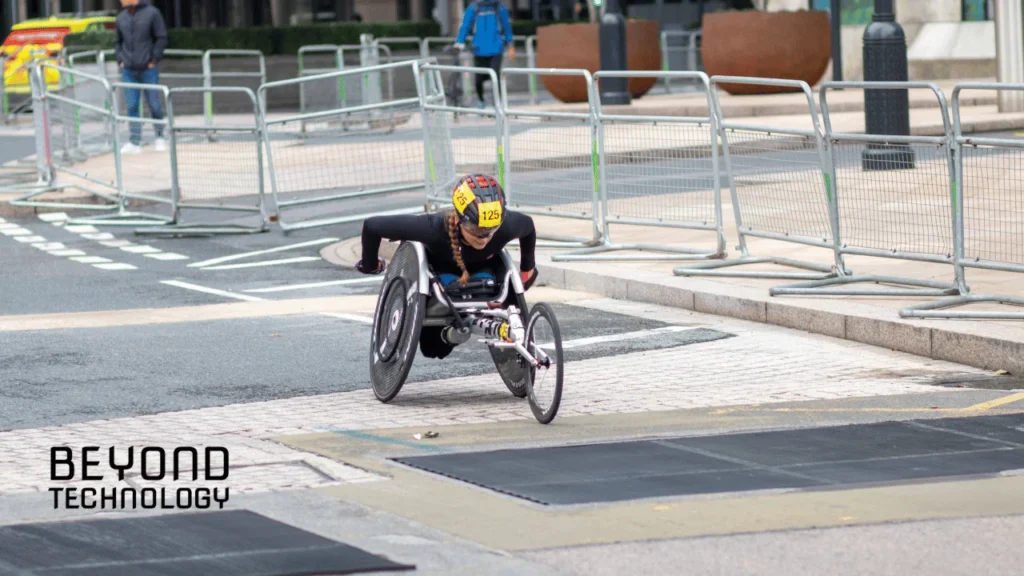
Artificial Intelligence in the paralympic games
Artificial intelligence has emerged as a key tool for training and performance optimization. It uses complex algorithms to evaluate athletes’ motions in real time and spot patterns that may be altered to reduce the risk of injury and boost productivity. Internet of Things-connected sensors gather biomechanical data from sports like cycling and athletics. This makes more thorough analysis possible, which results in training regimens that are more individualized and efficient. As a result, every practice session presents the chance to improve technical aspects and reach previously unattainable performance levels. These games also use AI to shield athletes from harassment they may encounter online.
Enhanced prosthetics and assisted communication
Prosthetics are now far more precise and functional thanks to technology. Artificial intelligence-infused prosthetics of the most recent generation can adapt device responsiveness to the kind of terrain or the required pace for the Paris 2024 contests. Not only can these intelligent prosthetics replicate human gait, but they also learn from each use and adjust to the individual’s preferences and style. For example, prosthetics can automatically modify component rigidity and angle to improve speed and stability in sports like sprinting, where speed and strength are critical.
Another important development is the adoption of AI-enabled assistive communication devices to improve engagement for athletes who have hearing or vision impairments. Some athletes in Paris will employ augmented reality glasses to improve their performance and real-time communication with their trainers. In team sports like wheelchair basketball, where player collaboration is crucial for success, this is especially crucial.
The role of IoT
Through the Internet of Things, assistance equipment like electric wheelchairs, exoskeletons, and elevators can be linked to a network that keeps an eye on their functionality and state in places like stadiums and lodgings. The interconnection between these gadgets guarantees their constant readiness for use and furnishes valuable insights into the requirements and overall health of each athlete, facilitating prompt intervention in the event of any irregularity.
With the help of these developments, athletes are now able to realize their full potential and are broadening the range of what is feasible. This is how the use of cutting-edge technology in modified sports and exceptional athletic performance will be remembered about Paris 2024.


