
 Global
 EU
EU USA
USA PA
PA PAK
PAK MEA
MEAIn the fast-paced landscape of technological advancements, artificial intelligence (AI) has emerged as a key catalyst for the transformation of various industries, and biotechnology is no exception. Jorge Mandujano, CEO of Beyond Technology, highlights that AI applied to biotechnology will generate an additional $50 billion in annual revenue over the next decade. Moreover, predictive AI will enhance diagnosis and early intervention, benefiting patients.
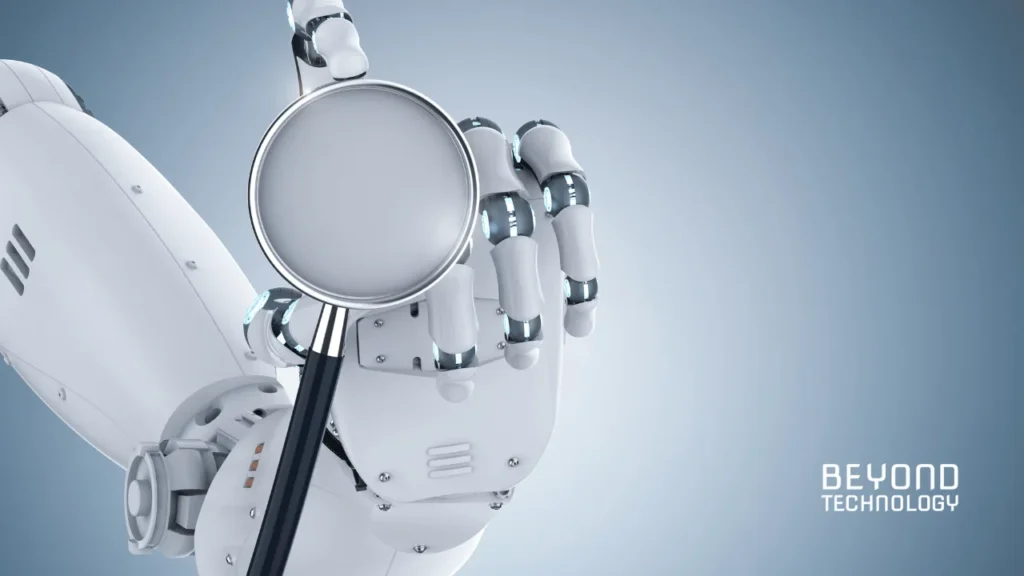
AI: Transforming the pharmaceutical and biomedical industries
Artificial intelligence is not merely a passing trend; it marks a turning point in sectors ranging from cybersecurity to healthcare. In the pharmaceutical and biomedical industries, AI is revolutionizing medical imaging analysis. By quickly analyzing large volumes of images, such as X-rays or MRIs, AI can detect abnormalities or signs of diseases that might be overlooked by human radiologists due to fatigue or oversight. This accelerates diagnosis and improves patient outcomes by enabling early intervention.
Personalization of medical treatment
By analyzing comprehensive data sets from various sources, predictive AI can identify patterns and correlations that help predict disease risks, treatment responses, and patient prognoses. This will enable healthcare providers to offer personalized treatment plans tailored to each patient’s unique needs, thereby improving therapeutic outcomes and reducing healthcare costs.
The future of digital transformation in healthcare
“When it comes to digital transformation, companies must strike a balance between maximizing their digital ambitions and determining where their investments are best placed. Enhancing workforce capabilities to utilize AI is no longer a luxury; rather, it will be a crucial differentiator for those seeking to stay ahead of the competition,” explains Mandujano.
Beyond Technology, a Mexican company specializing in business transformation through technology with a focus on disruptive solutions like AI, has over 30 years of experience and has completed more than 600 technology implementations in 80 countries. With the progressive integration of AI into the research, development, and distribution of treatments, a future is being shaped where healthcare is precisely personalized for each patient.
Privacy and security in the age of AI
At the forefront of these transformations is the imperative issue of data security and privacy, a concern magnified by the sensitive nature of healthcare information. Building an impenetrable digital fortress to safeguard patient data demands synergy between healthcare entities and technological innovators. These innovators must leverage advanced encryption protocols, micro-segmentation, and cybersecurity, concludes Mandujano.
Beyond Technology continues its expansion with a presence in the United States, Colombia, Spain, the Middle East, North Africa, and Asia-Pacific, solidifying its position as a leader in the integration of artificial intelligence into biotechnology and other crucial sectors.


