
 Global
 EU
EU USA
USA PA
PA PAK
PAK MEA
MEADevice management in corporate environments is evolving rapidly. Digital transformation, hybrid work, and increasing security demands have pushed organizations to rethink their endpoint strategies. In this context, Unified Endpoint Management (UEM) solutions are gaining relevance by offering comprehensive control over all devices connected to the corporate network.
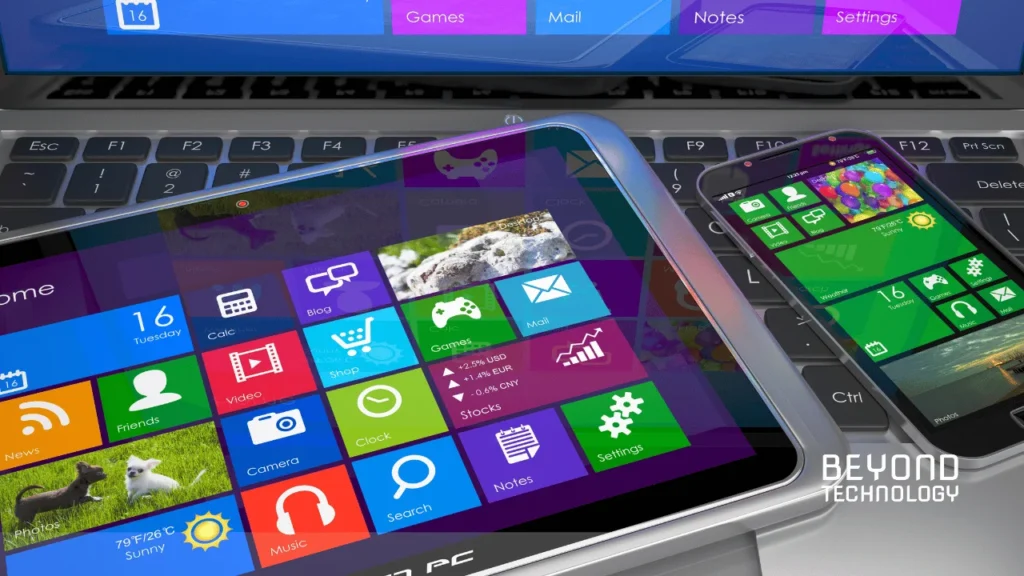
The convergence of mobile device and traditional endpoint management
One of the most significant shifts in technology asset management is the integration of tools that enable centralized administration of both computers and mobile devices. The move toward unified administration addresses the need to streamline operations, lower costs, and ensure data security.
Modern UEM platforms offer centralized monitoring and advanced automation capabilities, making it easier to detect vulnerabilities and roll out updates without disrupting operations. This becomes crucial in environments with a growing variety of devices, where businesses aim to maintain a highly efficient tech ecosystem.
Artificial intelligence and predictive analytics in endpoint oversight
The use of artificial intelligence in UEM platforms is reshaping how IT administrators monitor and secure endpoints. With predictive analytics, it’s now possible to anticipate failures, identify abnormal behavior, and strengthen cybersecurity strategies without relying heavily on manual interventions.
The ability to analyze large volumes of data in real time enhances user experience, reduces downtime, and optimizes device performance. Additionally, automation frees up IT resources to focus on strategic initiatives rather than repetitive operational tasks.
Enhanced security with mobile threat detection and response solutions
As cyberattacks grow more sophisticated, companies need solutions that secure not only their networks but also every endpoint. Today’s UEM platforms incorporate mobile threat defense (MTD) capabilities that detect malicious activity in real time and mitigate risks before they disrupt business operations.
The combination of UEM and MTD enhances data protection and simplifies compliance with security and privacy regulations. In industries where information handling is critical—such as finance or healthcare—these tools are essential to preserving the integrity of digital infrastructure.
To learn more about how MTD solutions can strengthen device security across your organization, we invite you to speak with a Beyond Technology advisor.


