 Global
 EU
EU USA
USA PA
PA PAK
PAK MEA
MEAThe way employees interact with technology has become a decisive factor for organizational productivity and competitiveness. Slow applications, fragmented access, or poorly managed devices not only create operational friction but also directly affect how employees perceive their digital environment. Improving the end-user experience is no longer a matter of aesthetics or convenience; it is a strategic decision that must be addressed without adding new layers of complexity to IT.
Business productivity driven by a consistent digital employee experience
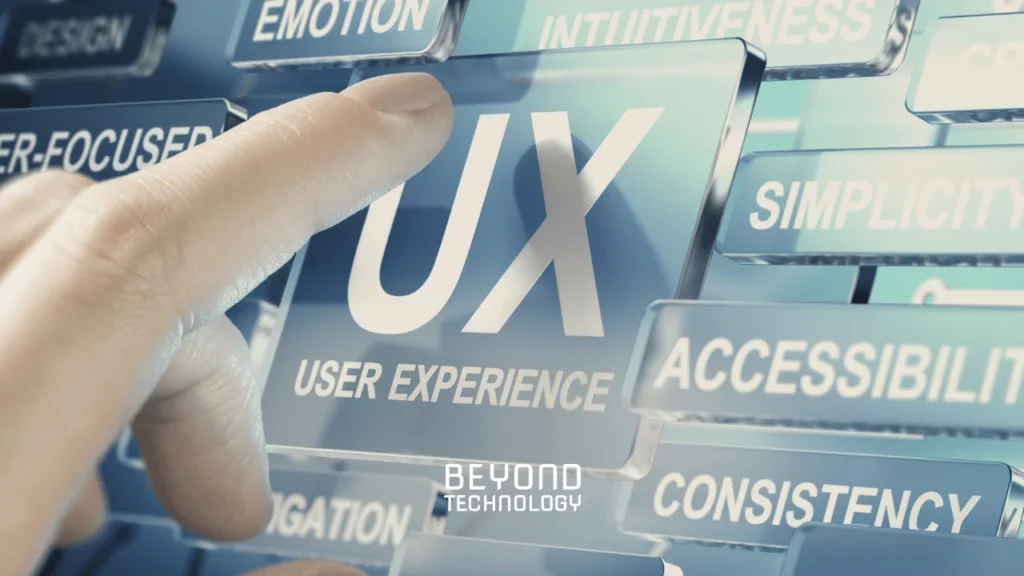
When technology runs smoothly, teams can focus on their work instead of solving technical issues. The digital employee experience acts as a silent enabler of productivity: fast access, applications available from anywhere, and stable performance reduce downtime and operational errors.
The challenge arises when these improvements are implemented in isolation, creating environments that are difficult to manage and scale. A well-aligned strategy makes it possible to increase productivity without overburdening IT teams.
Device and application management as the foundation of a seamless user experience
The growth of hybrid work and the diversity of devices are forcing organizations to rethink how they deliver and control technological resources. Centralized management of endpoints and applications makes it possible to maintain clear security and performance policies while simplifying the user experience.
When access to tools is transparent and consistent, the perception of complexity disappears for employees, even when a robust and well-defined architecture operates behind the scenes.
End user computing solutions aligned with the employee experience
Well-structured End User Computing initiatives connect the technology layer with real business needs. This is not only about virtualization or mobility, but about designing an environment where end users have secure and continuous access to their applications and data, regardless of location or device.
This approach reduces IT operational workload, supports policy compliance, and improves technology adoption, creating a balance between control and usability.
Improving the end-user experience without increasing IT complexity is possible when technology is designed from the employee’s perspective and managed holistically. If you want to understand how these strategies can be adapted to your organization, at Beyond Technology you can speak with an advisor and explore EUC solutions designed to drive productivity, security, and a consistent digital experience.


