 Global
 EU
EU USA
USA PA
PA PAK
PAK MEA
MEAThe accelerated adoption of hybrid and remote work models has profoundly transformed the way companies manage their technology infrastructure. Today, corporate laptops, mobile devices, and virtual desktops coexist in a dispersed ecosystem, where employees connect from homes, flexible offices, or even other countries. This new reality has expanded the operational surface and forced organizations to rethink traditional models of control, support, and security.
Managing users and devices is no longer just a technical task, but a strategic function that directly impacts productivity, employee experience, and the protection of critical business information.
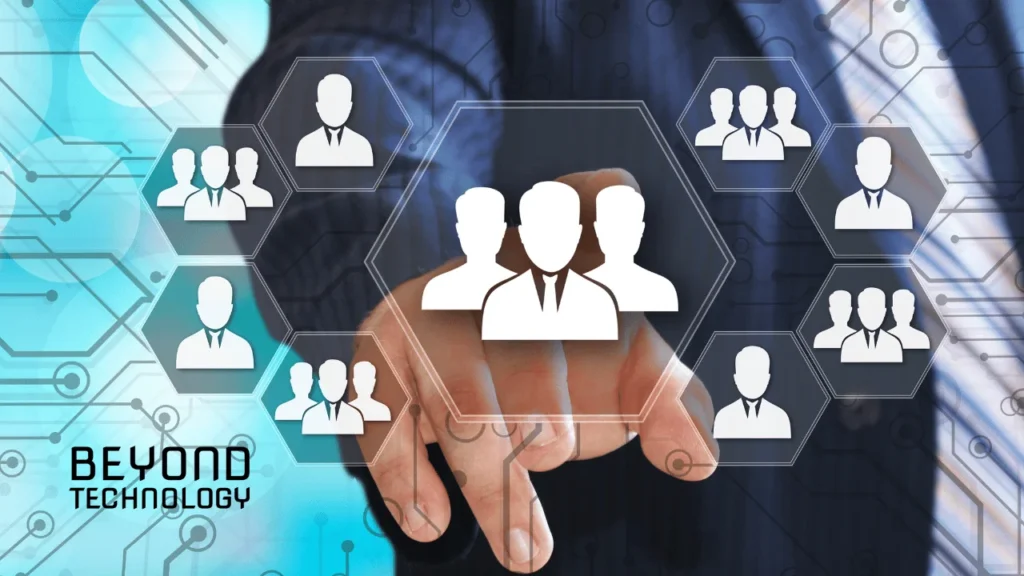
Corporate device management in remote work models
One of the main challenges arises when trying to maintain visibility and control over devices operating outside the company’s physical perimeter. Each laptop or smartphone becomes an access point that must comply with security policies, updated configurations, and compliance standards, regardless of where the user connects from. The lack of centralized management often leads to inconsistencies, manual configurations, and slow response times when incidents occur.
As teams grow and become geographically distributed, traditional support processes stop being scalable. Remote management of updates, patches, and configurations becomes essential to prevent security gaps and reduce the operational burden on IT teams.
Access control and user security in hybrid environments
Identity and access management is another critical issue in distributed organizations. Employees access corporate applications, sensitive data, and virtual desktops from multiple devices and networks that are not always trustworthy. Ensuring that each user has access only to what they need, at the right time, requires clear policies and solutions that integrate strong authentication, continuous monitoring, and automated responses to anomalous behavior.
Without a solid strategy, the risk of unauthorized access increases, along with the complexity of complying with security and privacy regulations. Efficient user management therefore becomes a balance between protection and experience, avoiding friction that could affect teams’ daily performance.
Centralized management of virtual desktops and enterprise mobility
Virtual desktops have become a consolidated alternative for enabling secure and flexible work, but operating them in distributed scenarios presents its own challenges. Ensuring consistent performance, controlling costs, and delivering a uniform experience for different user profiles requires centralized management and proper resource planning.
When this management is not aligned with real business needs, issues such as latency, infrastructure saturation, and scaling difficulties emerge. Integrating enterprise mobility with virtual desktops helps simplify operations and deliver secure work environments, regardless of the employee’s device or location.
Modern device and user management requires solutions that unify control, security, and experience within a single operating model. Beyond Technology supports organizations throughout this process, helping them implement solid strategies to manage devices, users, and virtual desktops in distributed environments. To learn how these solutions can be adapted to your operation, speak with a Beyond Technology advisor and take the next step toward a more secure and efficient infrastructure.


