
 Global
 EU
EU USA
USA PA
PA PAK
PAK MEA
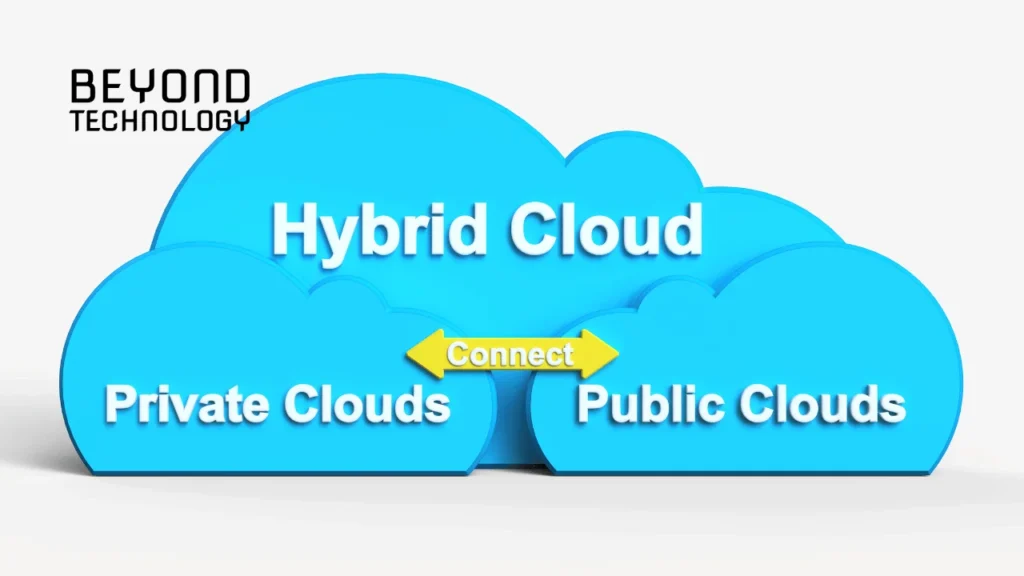
MEADigital transformation has become the strategic core for organizations seeking to optimize operations, scale with agility, and maintain competitiveness. In this context, hybrid cloud emerges as a key model to integrate technological innovation with the specific needs for security and control required by modern enterprise environments. Its value lies in the ability to combine the best of public and private clouds, enabling companies to adopt a flexible and efficient approach to managing their digital resources.
Flexibility to Scale and Respond to Business Demand
One of the main advantages of a hybrid architecture is its ability to adapt to changing workloads. Companies can keep their critical data and sensitive applications in a private cloud while leveraging the elasticity of the public cloud for projects that require greater processing power or temporary storage.
This flexibility results in a more agile infrastructure capable of responding to market demands without compromising stability or increasing costs unnecessarily.
Security and Compliance in Multi-Cloud Environments
Managing security in a hybrid environment requires comprehensive strategies that maintain data control regardless of location. Thanks to modern unified management solutions, organizations can consistently apply access, encryption, and monitoring policies across different environments.
This not only ensures data protection but also facilitates regulatory compliance in highly regulated sectors such as finance, healthcare, and government, where data traceability is essential for operating with confidence.
Operational Efficiency and Reduced Infrastructure Costs
Adopting a hybrid strategy allows companies to maximize the efficiency of their technology investments. By balancing the use of on-premises resources with on-demand cloud services, organizations achieve lower operational costs and greater transparency in consumption.
Additionally, workload automationmi and orchestration enable business continuity and improve the IT team’s experience, allowing them to focus on strategic initiatives instead of managing fragmented systems.
The adoption of hybrid environments represents more than just a technological evolution—it is a strategic decision that enhances innovation, control, and agility. To learn how to successfully implement this model and make the most of its potential, contact a Beyond Technology advisor. As a Nutanix partner, we help companies build modern infrastructures that drive growth and digital transformation.


