
 Global
 EU
EU USA
USA PA
PA PAK
PAK MEA
MEAThe need for faster, more stable connectivity infrastructure capable of supporting large volumes of data has led many organizations to modernize their technology environments. However, adopting a fiber optic architecture involves much more than simply replacing cables or increasing speed. A successful implementation requires careful planning, operational analysis, and a strategy aligned with business objectives.
When the process is executed correctly, companies can reduce disruptions, optimize critical applications, and prepare their operations for future growth. On the other hand, a poorly planned transition can lead to downtime, compatibility issues, and additional costs that impact business continuity.
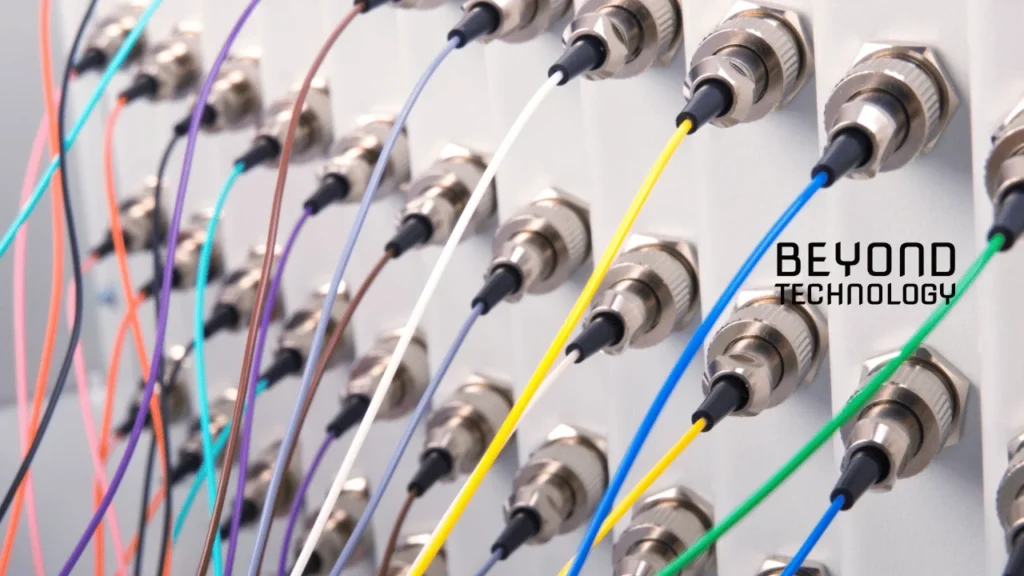
Key factors for migrating enterprise connectivity infrastructure without disrupting operations
Before starting any deployment, it is essential to evaluate the current state of the technology infrastructure. Many organizations operate networks that have grown gradually over time, integrating different vendors, capacities, and configurations. This makes it necessary to identify bottlenecks, physical limitations, and capacity requirements before defining the final design.
Planning must also consider critical business applications. Collaboration platforms, cloud services, video conferencing tools, ERP systems, and industrial solutions require different levels of bandwidth and latency. Understanding these needs makes it possible to design an architecture prepared to support both current and future workloads without compromising performance.
Another important aspect is defining a phased implementation strategy. Migrating the entire infrastructure at once can increase operational risk. For this reason, many companies choose progressive deployments that allow them to validate stability, performance, and compatibility before expanding into additional areas of the organization.
How to reduce downtime during a corporate network modernization project
One of the main challenges during any technology upgrade is maintaining business continuity. Unplanned interruptions affect productivity, customer service, and critical processes, especially in industries where connectivity is a core component of daily operations.
To minimize risks, it is essential to establish controlled maintenance windows and contingency plans. This includes conducting preliminary testing, backing up configurations, and ensuring rapid recovery mechanisms in the event of an incident. Validating links, equipment, and redundancies before deployment helps identify potential failures without impacting end users.
Coordination between technical and operational teams also plays a decisive role. When there is clear communication between providers, IT teams, and business stakeholders, changes can be executed with greater precision and fewer unexpected disruptions.
Additionally, real-time monitoring during deployment helps identify abnormal behavior immediately. This allows teams to make timely adjustments and maintain service stability throughout the technology transition.
Best practices for optimizing fiber optic link performance in enterprise environments
The performance of an optical infrastructure depends both on the quality of the design and the proper selection of components. Choosing transceivers, switches, and equipment compatible with current capacity and future growth requirements helps avoid limitations and reduces interoperability issues.
Proper traffic segmentation also contributes to better performance. Separating critical applications, prioritizing strategic services, and applying quality of service policies help maintain stability even during periods of high demand.
Another aspect that is often underestimated is ongoing infrastructure management. Once implementation is complete, continuous monitoring makes it easier to detect degradation, saturation, or errors before they become critical failures. This helps extend network lifespan and maintain optimal availability levels.
Training internal staff is equally important. Having teams prepared to operate and manage the new architecture accelerates incident resolution and improves the return on technology investment.
The importance of choosing a specialized technology partner
The experience of the provider responsible for implementation can make the difference between a successful project and one filled with disruptions. A specialized partner not only designs the right architecture but also supports the assessment, migration, validation, and post-deployment support process.
Organizations that work with optical infrastructure experts typically achieve faster implementations, lower operational risks, and better alignment between technology and business objectives. In addition, strategic guidance makes it easier to scale the network as company needs evolve.
If you are looking to modernize your organization’s connectivity and ensure an efficient transition, Beyond Technology offers specialized solutions for enterprise infrastructure and connectivity. Speak with an advisor and discover how to optimize operational performance with an architecture built for growth.


