 Global
 EU
EU USA
USA PA
PA PAK
PAK MEA
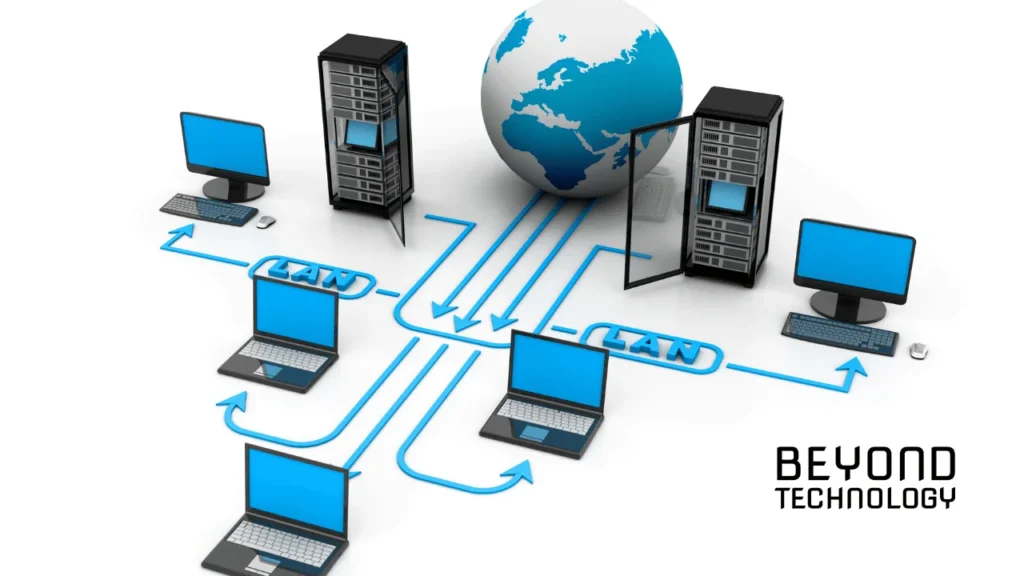
MEAAs organizations increasingly rely on consistent connectivity, the way networks are managed has evolved significantly. While traditional approaches still dominate many corporate infrastructures, solutions like Juniper’s Mist AI have emerged with a smarter, automated model focused on end-user experience. Understanding the key differences between these models helps businesses make more strategic decisions about the future of their network infrastructure.
AI-powered network automation benefits for enterprise IT teams
Traditional networks often require manual configurations, reactive troubleshooting, and a significant operational burden on IT teams. This not only increases operational costs but also limits scalability and response speed during incidents.
Mist AI, by contrast, leverages automation to proactively detect issues, apply real-time corrections, and continuously monitor the performance of connected devices. This allows companies to reduce downtime, enhance user experience, and free up technical teams for more strategic initiatives.
Network visibility: traditional analytics vs. predictive insights with AI
A major challenge in classic network management models is the lack of unified, real-time visibility. While many legacy platforms allow for some level of monitoring, it is often limited or reactive.
Mist AI includes a predictive analytics engine that identifies behavioral patterns, detects anomalies before they become critical failures, and provides actionable insights based on historical and contextual data. This leads to a more proactive operation, where decisions are driven by contextual intelligence rather than solely by technical observation.
Enterprise network scalability: legacy limitations vs. cloud-native architectures
Companies relying on legacy systems often encounter bottlenecks when scaling their infrastructure due to technical constraints, high costs, or complex distributed management. Mist AI, built natively for the cloud, enables agile and flexible expansion. Its architecture supports automatic updates, seamless device integration, and centralized management across multiple sites without compromising performance or security. This approach aligns with the dynamic growth demands of today’s enterprise environment.
Take your network to the next level with expert guidance
Making informed decisions about your technology infrastructure is essential for staying competitive. At Beyond Technology, as an elite plus Assured IA partner of Juniper and Mist AI, we connect you with experts who can help you assess the best option for your business. Schedule a personalized consultation and discover how Infinera and our smart network solutions can drive your digital transformation.


