
 Global
 EU
EU USA
USA PA
PA PAK
PAK MEA
MEAImplementing a digital transformation strategy has become a cornerstone for companies aiming to enhance their performance. By integrating advanced technologies and automated processes, businesses can optimize workflows, eliminate redundancies, and significantly reduce response times. This not only enables higher productivity but also strengthens the ability to adapt to changes in market demands, ensuring more agile and results-focused operations.
Adopting digital tools such as enterprise management platforms and advanced analytics solutions provides clearer, real-time insights into internal operations. This level of detail fosters more accurate decision-making ensures greater precision in task execution and eliminates human errors that could lead to unnecessary costs.
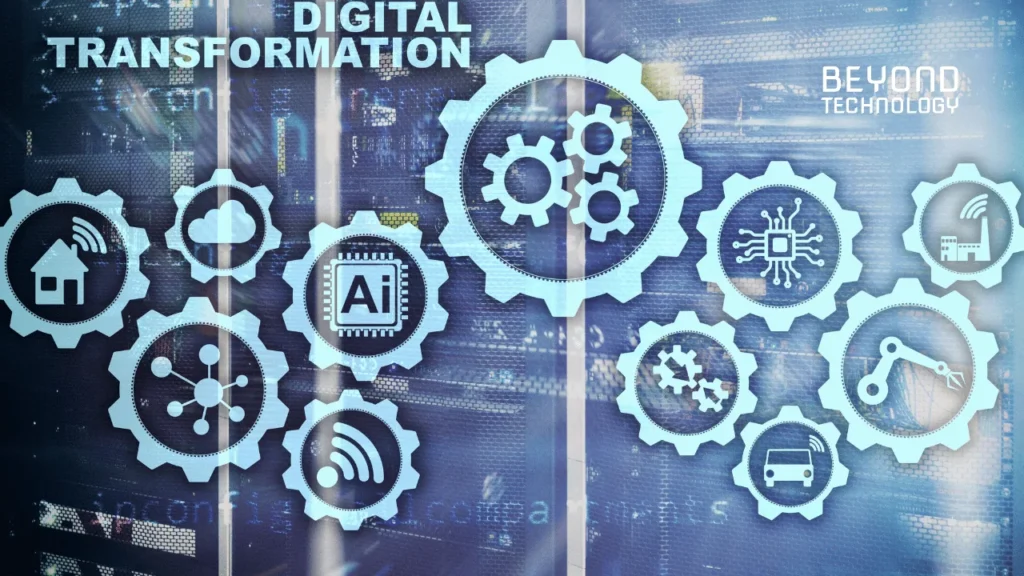
Digital solutions to reduce costs and maximize ROI
Another critical benefit of digital transformation is the reduction of operational costs. By digitizing manual processes and leveraging cloud-based systems, businesses can lower expenses related to physical infrastructure, maintenance, and human resources. Collaboration platforms, for instance, optimize internal and external communication, reducing the need for travel and improving connectivity for geographically distributed teams.
Predictive technologies and data analytics also contribute to more efficient resource management. These tools allow businesses to identify patterns that optimize supply chains, adjust inventory, and fine-tune logistics processes. The initial investment in digital transformation delivers medium- and long-term returns through sustained operational efficiency.
Business adaptability to market changes
In a constantly evolving business environment, adaptability is essential. A robust digital transformation strategy equips organizations with the flexibility to innovate and respond to new customer expectations. With technologies like artificial intelligence and machine learning, businesses can anticipate emerging trends, personalize their services, and enhance the customer experience.
Additionally, digital tools enable companies to remain competitive against new market players. Digital transformation is not just about staying relevant; it is about leading in your sector, strengthening your position, and building a sustainable advantage.
Discover how Beyond Technology can guide your digital transition
Achieving these benefits requires a strategic and tailored approach. At Beyond Technology, we help businesses integrate digital solutions designed to meet their needs. Connect with one of our advisors to transform your operations and achieve new levels of efficiency and competitiveness.


