 Global
 EU
EU USA
USA PA
PA PAK
PAK MEA
MEA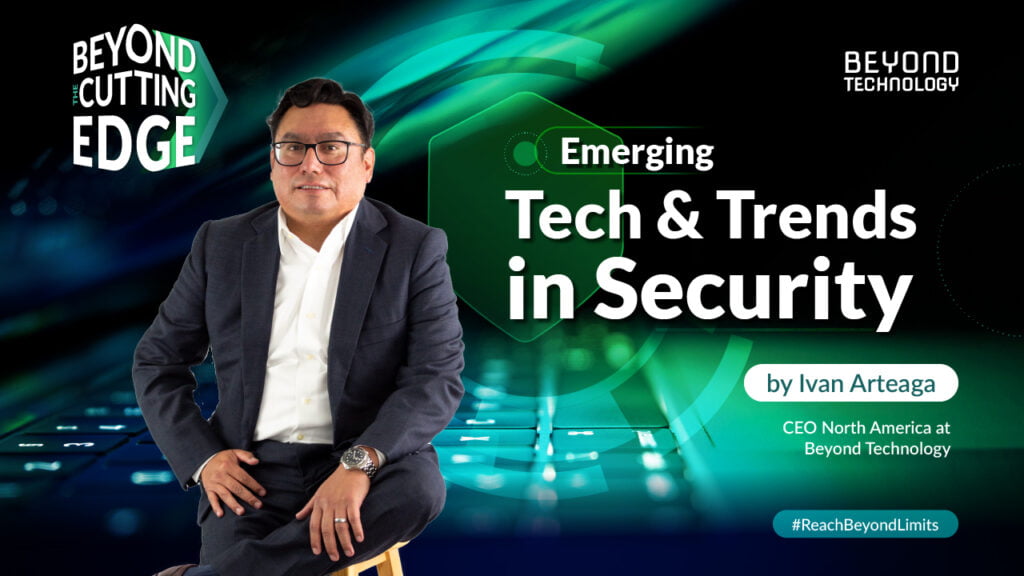
In today’s rapidly evolving digital landscape, security has become a paramount concern for individuals, businesses, and governments alike. As technology advances, so do the methods and sophistication of cyber threats.
To combat these challenges, the security industry is constantly adapting and embracing emerging technologies and trends.In this blog post, we will explore some of the most significant advancements in security and how they are shaping the future of cybersecurity.
- Artificial Intelligence (AI) and Machine Learning (ML):
Artificial intelligence and machine learning are revolutionizing the security landscape. These technologies enable security systems to analyze vast amounts of data, detect patterns, and identify potential threats in real-time. AI-powered solutions can automate threat detection and response, enhancing the efficiency and accuracy of security operations. ML algorithms can learn from historical data to recognize anomalies and predict future attacks, empowering organizations to proactively defend against evolving threats.
- Originally developed for cryptocurrencies like Bitcoin, blockchain technology offers a robust framework for security applications. Its decentralized and tamper-resistant nature makes it highly attractive for securing sensitive data, transactions, and identities. Blockchain can provide transparency, integrity, and immutability, thereby preventing unauthorized access and manipulation of information. Industries such as finance, supply chain, and healthcare are exploring blockchain-based solutions to fortify their security infrastructure.
- Internet of Things (IoT) Security:
The proliferation of connected devices in our daily lives has brought about new security challenges. The Internet of Things encompasses a vast network of interconnected devices, ranging from smart home appliances to industrial machinery. Securing these devices is crucial to prevent breaches that could compromise personal data, disrupt critical infrastructure, or enable unauthorized access. IoT security measures include authentication protocols, encryption, and regular software updates to patch vulnerabilities.
As organizations increasingly migrate their infrastructure and applications to the cloud, ensuring robust cloud security has become essential. Cloud service providers offer advanced security features and employ rigorous measures to protect data stored in their systems. Encryption, multi-factor authentication, access controls, and real-time monitoring are some of the techniques employed to safeguard cloud-based assets. Moreover, the use of cloud access security brokers (CASBs) enables organizations to enforce security policies and maintain visibility and control over cloud resources.
- Biometric Authentication:
Biometric authentication methods, such as fingerprint scanning, facial recognition, and iris scanning, are gaining traction as secure alternatives to traditional passwords. Biometrics provide a unique and personal identifier for individuals, making it difficult for unauthorized users to bypass authentication measures. Biometric data is difficult to forge, enhancing security and user experience across various sectors, including finance, healthcare, and mobile devices.
As the digital landscape expands, the need for robust security measures becomes increasingly critical. The emergence of technologies such as AI, blockchain, IoT, cloud security, and biometrics is reshaping the security landscape and offering innovative solutions to combat evolving threats. Embracing these emerging tech trends and staying updated with the latest security practices can help individuals, organizations, and governments safeguard their sensitive information, protect critical infrastructure, and ensure a secure future in the digital age.
At Beyond Technology we stay up to date with the new security needs, we have formed alliances with the best cybersecurity and infrastructure modernization providers to develop and implement custom projects, we enable and empower business transformation. If you are interested in learning more about this subject, listen the podcast on our YouTube channel here.


